


Manhattan is rightly called the heart of American performing arts. It’s home to a world-renowned artistic space: 41 Broadway theaters, each seating 500 or more. Four of these are located directly on Broadway street, which gives the theatrical center its name. Most Broadway shows are musicals, which have become incredibly influential forms of American pop culture. More on manhattan-trend.com.
How It All Began
Around 1750, actor-managers Walter Murray and Thomas Kean established a permanent theater company in Lower Manhattan. Its members presented audiences with William Shakespeare’s plays and ballad operas. This marked the first significant display of performing arts in the Big Apple. In 1752, twelve British actors arrived in the U.S. and founded a theater in Virginia. In 1753, the troupe moved to New York, performing ballad operas and farces.
During the American Revolutionary War, theatrical activity in New York was suspended. It resumed in 1798 with the construction of the 2,000-seat Park Theatre in Manhattan. The second major theater, the Bowery Theatre, opened in 1826, followed by others.
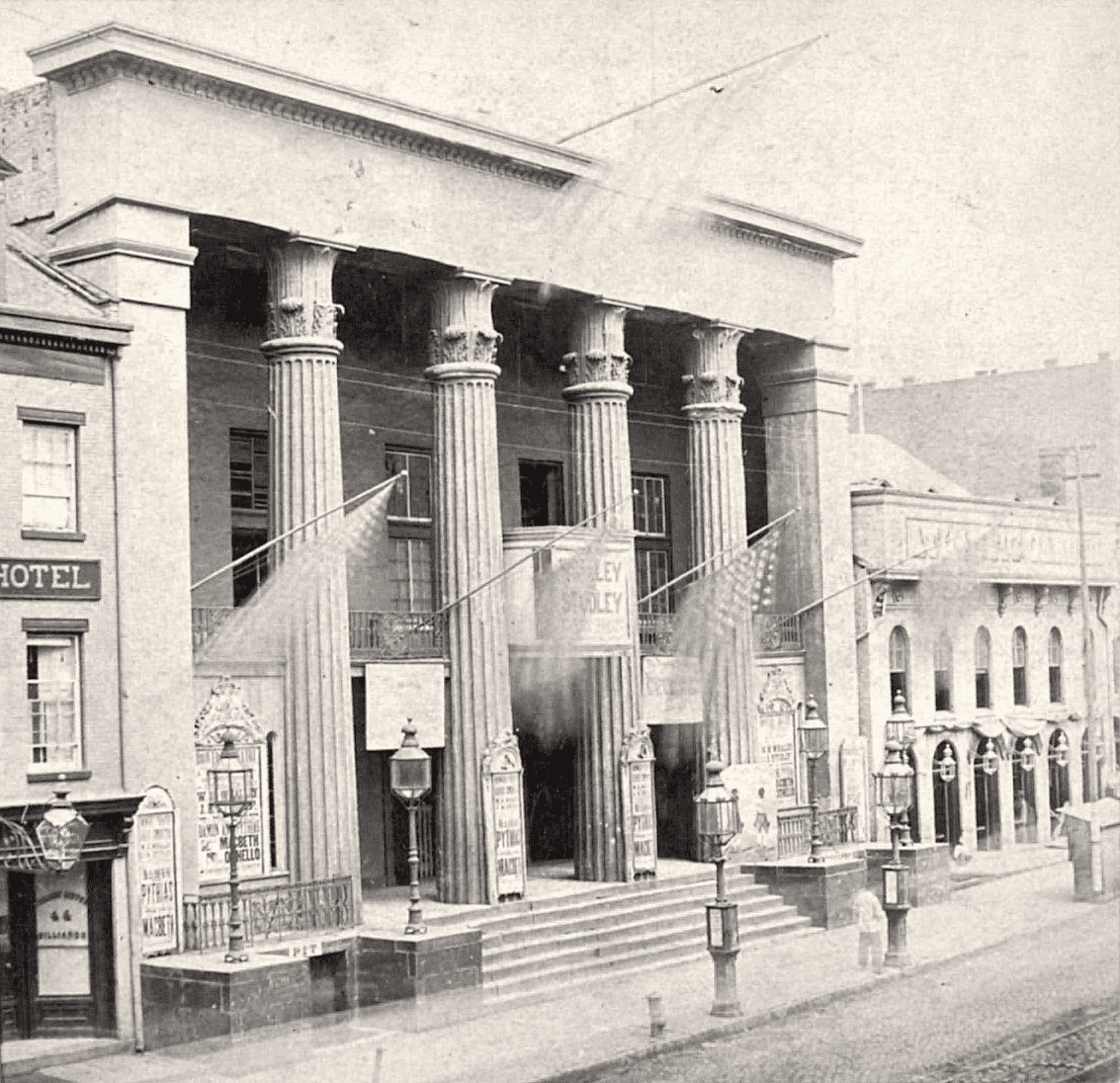
In the early 19th century, the area now known as the Theater District belonged to a few families and contained several farms. In 1836, Mayor Cornelius Lawrence opened 42nd Street, inviting Manhattanites to “enjoy the pure air.” About 60 years later, German entrepreneur Oscar Hammerstein I built the iconic Victoria Theatre in this area. In 1849, a riot erupted, leading to New York shows being segregated by class: opera was primarily for the upper class, minstrel shows and melodramas for the middle class, and variety shows for ordinary workers.
In 1870, Union Square was considered the heart of Broadway, and by the end of the century, many theaters had appeared near Madison Square. In 1881, impresario Tony Pastor opened the first vaudeville theater in the block east of Union Square, featuring the legendary actress and opera singer Lillian Russell. Gradually, New York’s street lighting improved, allowing city dwellers to attend late shows without worrying about getting home at night. In 1896, Marc Klaw and A. L. Erlanger formed the Theatrical Syndicate, an organization that controlled most leading U.S. theaters for the next 16 years.
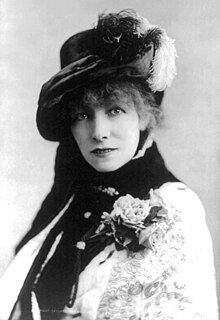
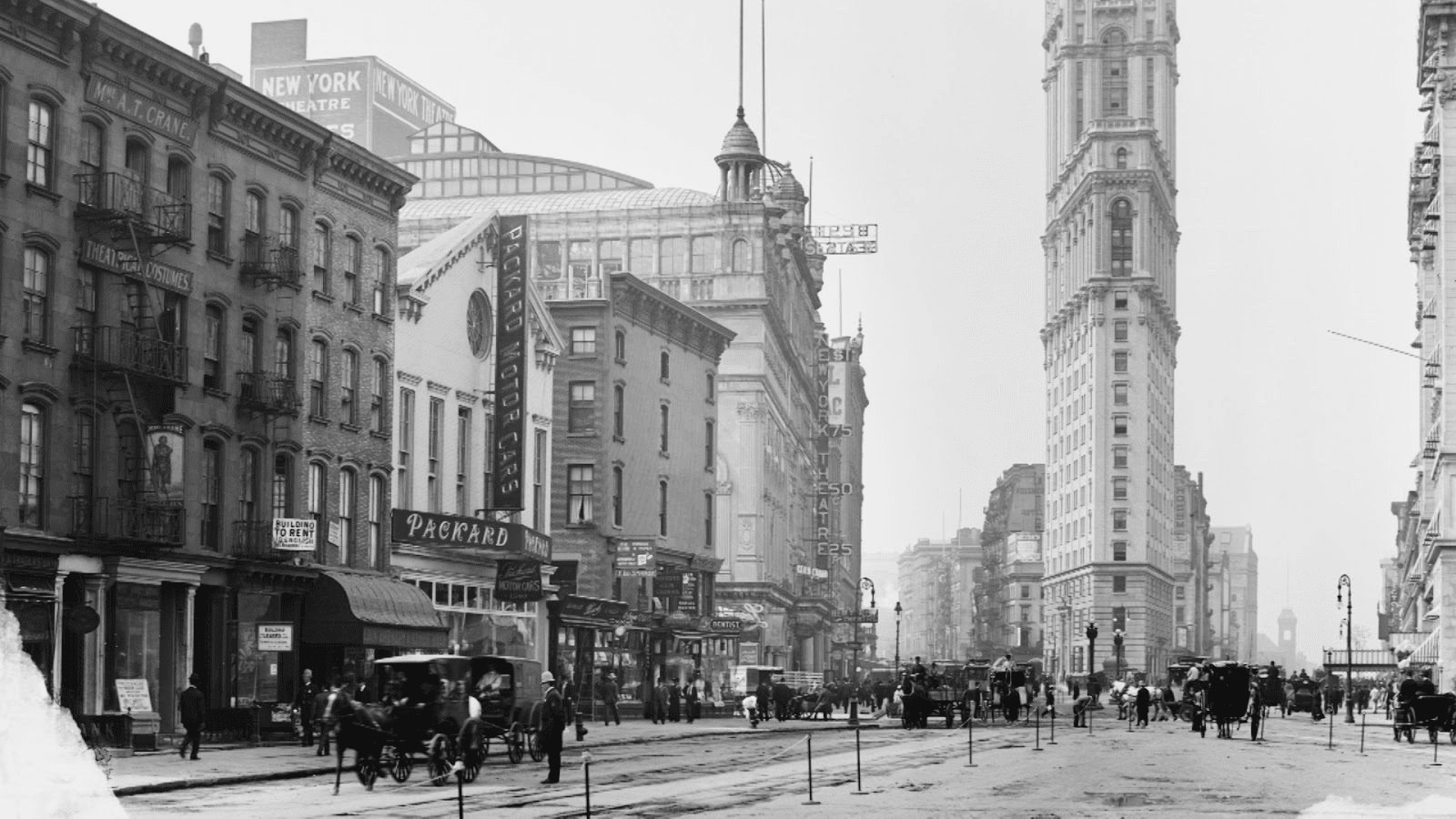
Theaters began opening in the famous Times Square in the early 1900s. By then, Broadway had become the center of American musical theater and earned a reputation as the world’s most important commercial theater space, attracting European stars like French actress Sarah Bernhardt.
The Rise of the Musical
The first long-running Broadway musical was The Elves (1857). However, the first musical matching the modern definition is considered to be The Black Crook, which premiered on Broadway in 1866. The story unfolds in 1600 in Germany’s Harz Mountains. In the plot, the evil Count Wolfenstein wants to marry the beautiful village girl Amina. He turns to a dark magician to take Amina from her fiancé, the impoverished artist Rodolphe. Later, the Count makes a pact with the devil, Zamiel. The devil promises Wolfenstein eternal life in exchange for bringing him a new soul every New Year’s Eve. Rodolphe saves a dove’s life, and the bird magically transforms into the human form of Stalacta, Queen of the Fairies of the Golden Realm. She reunites her savior with Amina.
In the 1890s and early 1900s, hundreds of musical comedies were staged on Broadway. However, compared to London’s West End, Broadway produced relatively few musicals until World War I. One of the most successful Broadway musicals of the 20th century was Florodora. Its story is set on a small Philippine island where a popular perfume, “Florodora,” is made from the essence of the flower of the same name.
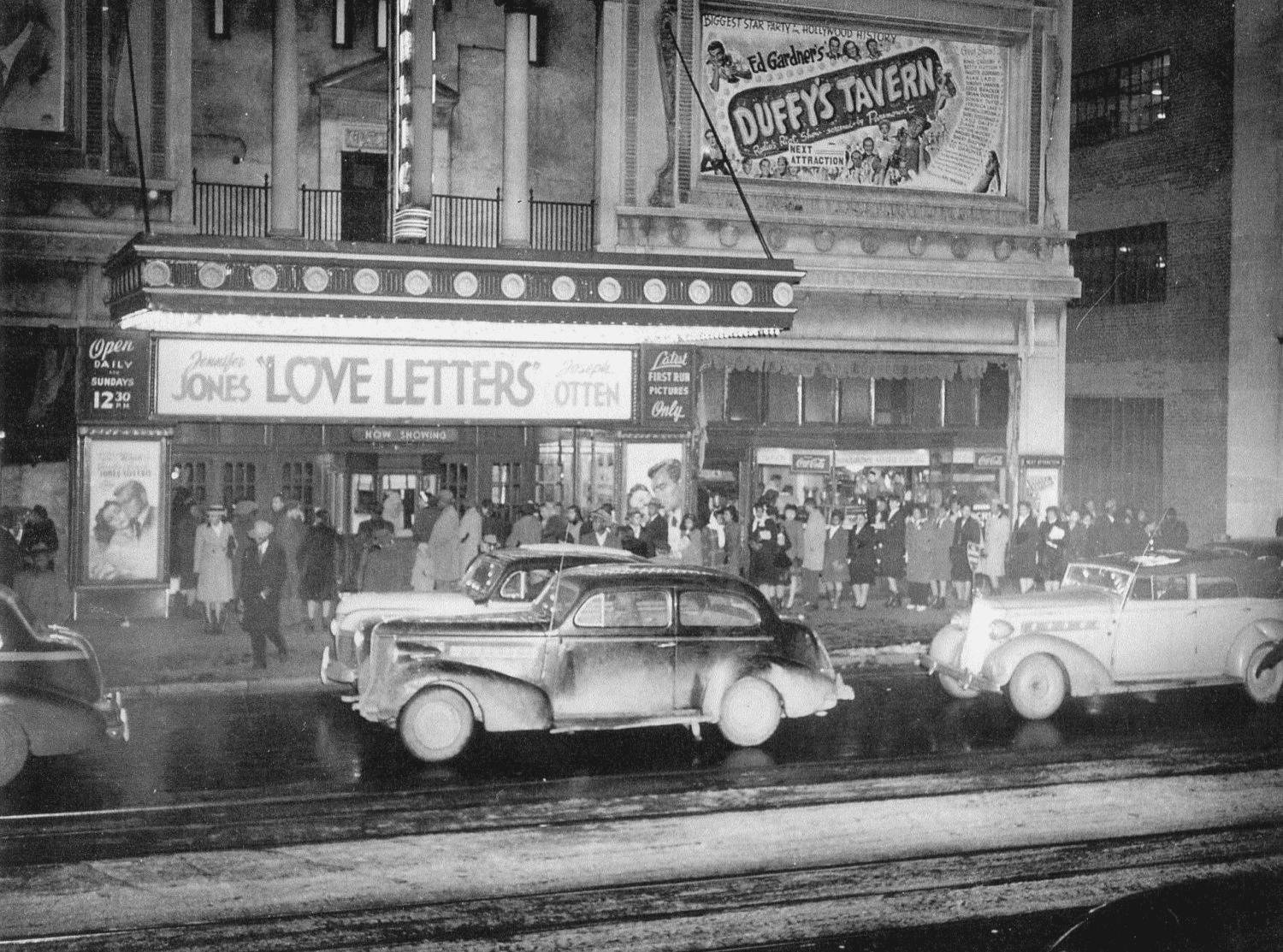
Broadway played a crucial role in 20th-century American cultural history by popularizing the works of some of the most influential American classical composers, including George Gershwin, Kurt Weill, and other legendary figures.
The “Great White Way”
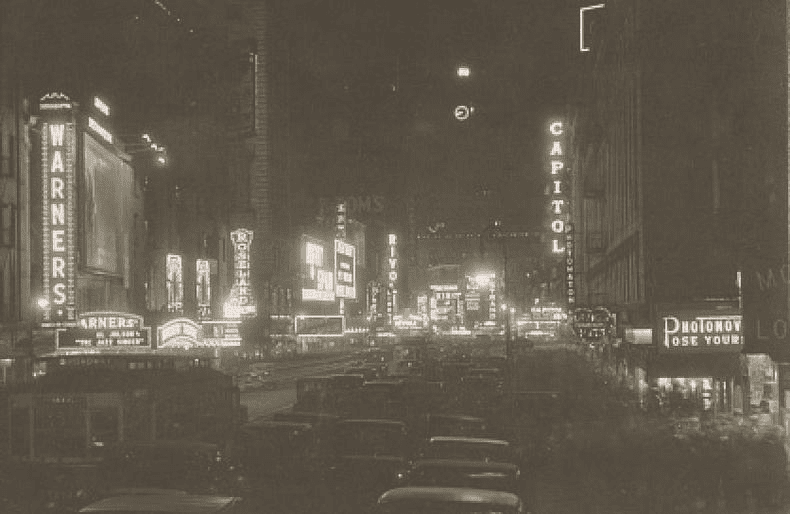
In the mid-18th century, when New York’s first theater opened in Lower Manhattan, Benjamin Franklin was beginning his experiments with electricity. Because colored light bulbs burned out too quickly, white ones were used instead. Broadway was one of the first streets in New York to be fully illuminated by white electric lights in the 1890s. This is why it was nicknamed the “Great White Way.” By 1910, incandescent lamps began to light up Broadway marquees as architects realized the advertising potential of bright lights.
Competition with Cinema
As long as cinema was silent, it posed no threat to theater. However, the situation changed in the late 1920s. With the advent of films with synchronized sound came fears that cinema would completely replace live theater. To compete for audiences, theaters invited star actors and leading comedians of the era, which helped them survive. Typical of the 1920s were lighthearted productions like Sally, Lady Be Good, and Sunny.
The War Period
During World War I, Broadway lost its lighting. The public then successfully lobbied the government to increase coal consumption, which helped restore the street’s status as the “Great White Way.” Before World War II, some Broadway dramas addressed the spread of Nazism in Europe and the issue of American non-intervention in overseas political affairs.
Decline and Revival
The late 1960s were marked by cultural upheaval. The number of shows produced on Broadway significantly decreased. For comparison, 94 shows were produced in the 1950–1951 season, compared to only 59 in 1969–1970. Low attendance led to opinions among both critics and audiences that productions were mediocre. To improve the situation, the Theatre Development Fund was established. Its mission is to support culturally significant shows on and off Broadway through a subsidy program, including offering discounted tickets to consumers.
In 1982, theatrical producer and director Joe Papp led the “Save the Theatres” campaign. The actors’ union fought to preserve the theaters. This was achieved by establishing the Theater District as a registered historic area. Each theater within the district received landmark status, granting it “immunity” from demolition. Subsequently, the Theater District became a popular tourist destination.
In summary, in the 21st century, Broadway productions are considered the highest professional form of theater in the U.S., though often criticized for excessive commercialism. This is because, unlike most developed countries, the U.S. does not have a nationwide, government-subsidized theater program. Therefore, to thrive, Broadway shows have always had to focus on what interests the public, leading to a perception of them being populist. Generally, modern Broadway shows are rooted in 19th-century American dramatic forms like vaudeville and burlesque, while also showing influences from European grand opera, operetta, and realistic drama.