


Broadway theatres are undoubtedly the most iconic in the world, home to top-tier performers and the most renowned productions. To delve deeper into their origins and development, let’s explore the fascinating story of Broadway theatres. More on manhattan-trend.com.
About Broadway Street
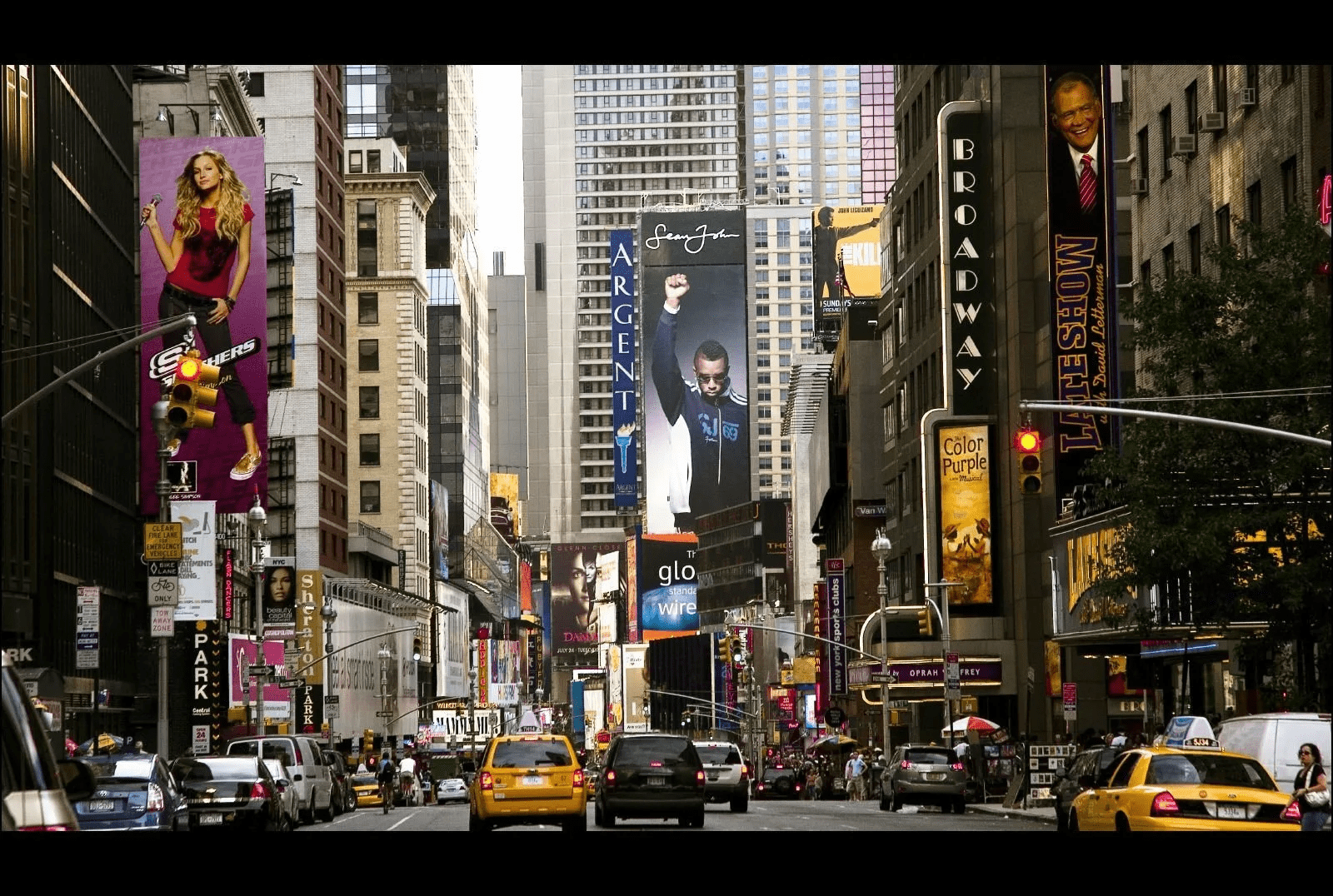
Broadway is the longest street in New York City, stretching over 25 km through Manhattan, the Bronx, and beyond, reaching Albany, the state capital of New York.
The name “Broadway” dates back to the 17th century, during the Dutch colonial period, when it was called breede weg or “broad way.” The name was later translated into English, giving us “Broadway.”
As one of the city’s first major streets, Broadway became a hub for offices, shops, malls, and, most notably, the Theater District, which catapulted it to worldwide fame.
The Origins and Growth of Broadway Theatres
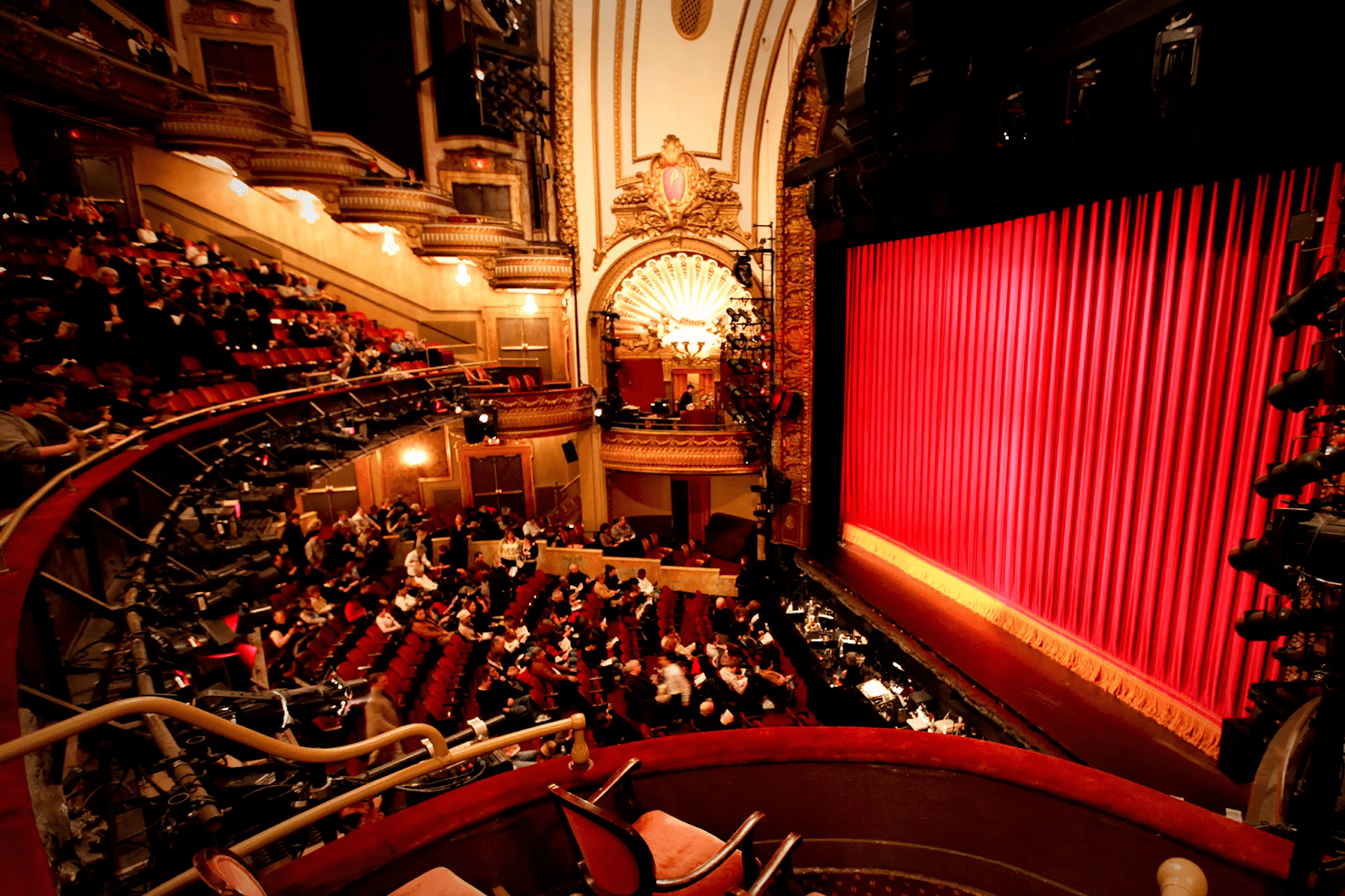
The first theatre in the New World opened in 1732 on Nassau Street, Manhattan, founded by actors Walter Murray and Thomas Kean. Though small and unremarkable, it marked the beginning of the theatrical industry. Just three years later, a second theatre opened, enjoying considerable success. This sparked a wave of theatre construction, primarily concentrated around Broadway, leading to the creation of the Theater District.
As the industry grew, it introduced a variety of performances, including spectacular shows, musicals, comedies, and even risqué entertainment. The growth of public transportation and street lighting further boosted theatre attendance.
In the 19th century, the advent of cinema posed a potential threat to Broadway theatres. However, theatres continued to thrive with dazzling musical numbers and elaborate sets that cinema at the time could not rival. This period marked a golden age for Broadway, with plays based on contemporary works by authors like P.G. Wodehouse, Eugene O’Neill, Tennessee Williams, and Arthur Miller gaining immense popularity.
Broadway’s Longevity and Iconic Productions
Broadway shows often ran for extended periods, depending on their popularity and box office performance. Successful productions could last for years or even decades, while less popular ones closed quickly. Among the longest-running Broadway hits are The Phantom of the Opera, Chicago, and The Lion King.
Broadway theatres have hosted some of America’s finest actors, including Katharine Cornell, Alfred Lunt, Lynn Fontanne, Eva Le Gallienne, Margaret Webster, Harold Clurman, Guthrie McClintic, and Elia Kazan. Legendary stars like Liza Minnelli, Elizabeth Taylor, Richard Burton, and Gina Lollobrigida have also graced the stage.
Modern Broadway
Today, Manhattan boasts around 40 Broadway theatres, located along and near Broadway Street. Some of the most renowned venues include Lyric Theatre, New Amsterdam, Gershwin Theatre, Winter Garden, and Majestic Theatre.
Since their inception, Broadway theatres have held a prestigious position in the theatrical landscape of the United States, and they continue to do so. Globally recognized as a symbol of quality and prestige, Broadway remains a dream destination for performers and theatre enthusiasts alike.