


The Booth Theatre is a renowned American theater built in 1913 for the Shubert brothers. Initially managed by the American theater director Winthrop Ames, the venue later came under the full ownership of The Shubert Organization. Learn more about the rich history of the Booth Theatre at ManhattanTrend.
The Birth of the Theater
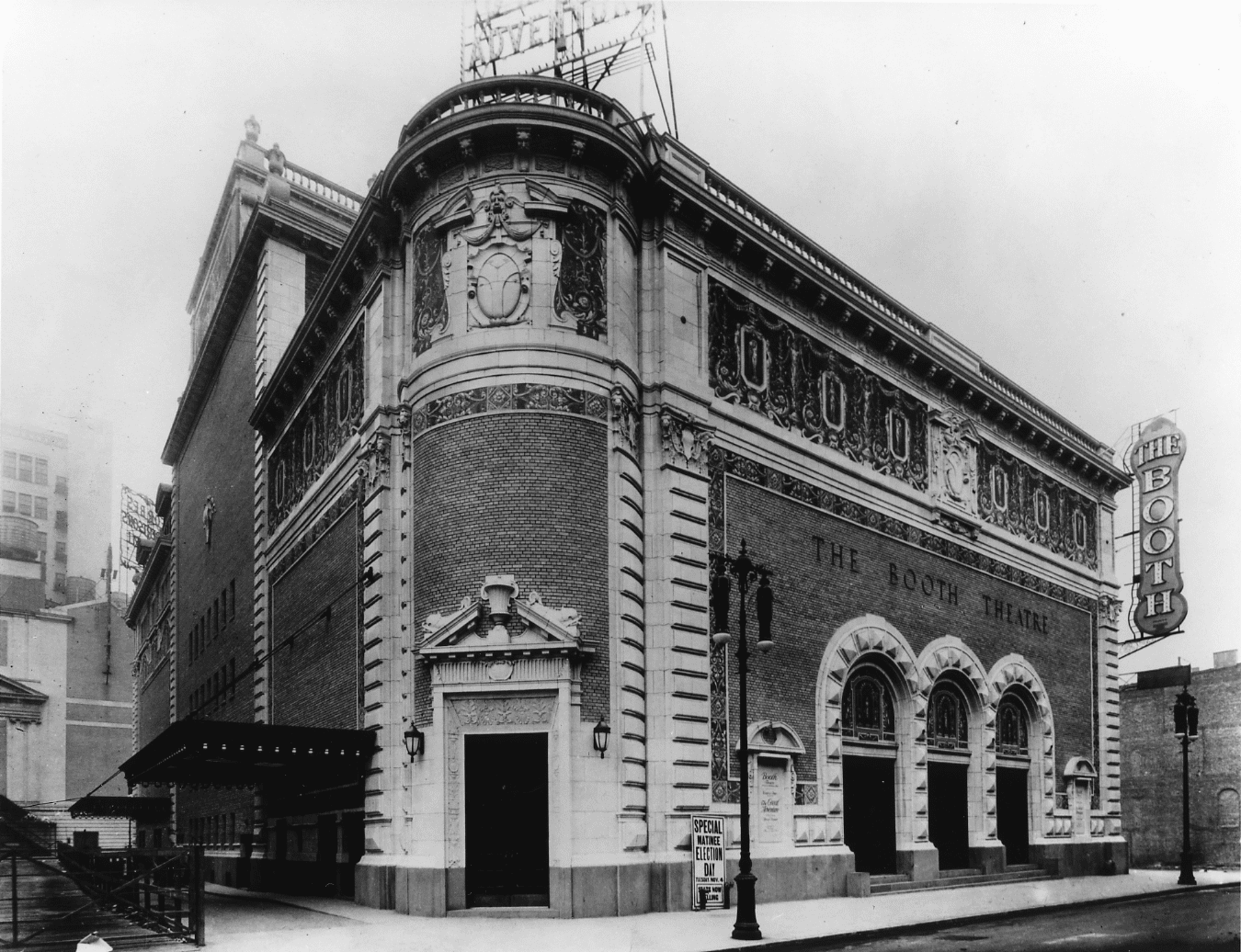
Located at 222 West 45th Street in Manhattan’s Theater District, the Booth Theatre was constructed during the early 1900s, a golden age for theatrical development in New York City. The Shubert brothers, who were dominant theatrical syndicates of the time, spearheaded the construction of numerous venues, including the Booth Theatre. By 1924, The Shubert Organization owned approximately 86 theaters nationwide.
The theater’s history began in April 1912, when Lee Shubert and theater director Winthrop Ames purchased land on 219–225 West 44th Street and 218–230 West 45th Street. They planned to build two interconnected but independent theaters. The larger venue was named Shubert, while the smaller became known as Booth, honoring 19th-century American actor Edwin Booth.
Architectural Features
Both the Booth and Shubert theaters were designed by architect Henry Beaumont Herts in the Italian Renaissance style. The Booth Theatre’s exterior resembles a large triangle with a rounded corner at the entrance. The façade is constructed from terracotta and brick laid in English cross bond. Ornamental plasterwork and a cornice with metal brackets crown the structure. The central façade features three arches that provide emergency exits from the vestibule, now covered by posters. Above the arches is a metal sign that reads “The Booth Theatre.”
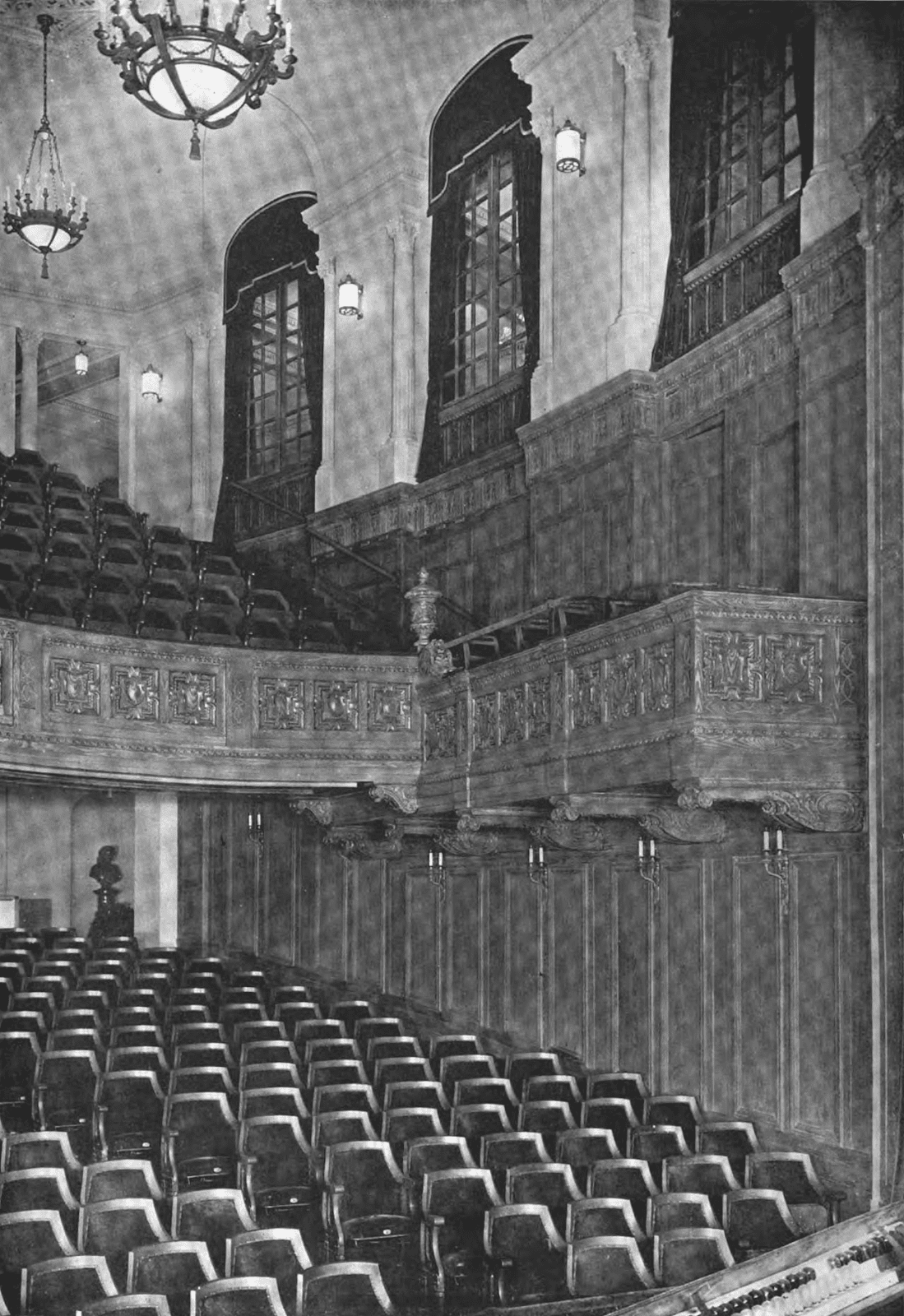
Inside, the Booth Theatre is known for its intimate and elegant design, offering a cozy atmosphere for guests. The interior includes a vestibule, box office, coat room, and an auditorium with an orchestra level, balcony, box seats, and a proscenium stage. The venue accommodates approximately 800 patrons.
The Theater’s History
The Booth Theatre officially opened on October 16, 1913, with Arnold Bennett’s play The Great Adventure. From its inception, Winthrop Ames managed the theater, presenting a variety of successful productions from 1913 to 1927, including Experience, The Children of the Earth, The Marriage, Seventeen, The Woman in Room 13, Too Many Husbands, The Purple Mask, Not So Long Ago, The Prince and the Pauper, The Truth About Blayds, and Seventh Heaven.
Ames managed the Booth Theatre until 1932, after which ownership reverted to the Shubert brothers. The theater continued to present acclaimed productions, such as No More Ladies, The Shining Hour, Good Lady, Here Come the Clowns, The Time of Your Life, Claudia, Wind Ninety, You Touched Me!, The Playboy of the Western World, John Loves Mary, War with the Army, and others.
From the 1950s to the 1990s, notable performances included Come Back, Little Sheba, Anniversary Waltz, The Time Limit, Visit to a Small Planet, Two for the Seesaw, The Tenth Man, Julia, Jake, and Uncle Joe, A Shot in the Dark, The Love, The Birthday Party, Butterflies Are Free, Goodbye, Total Refusal, Sunday in the Park with George, Shirley Valentine, and Once on This Island.
Modern Productions and Box Office Records
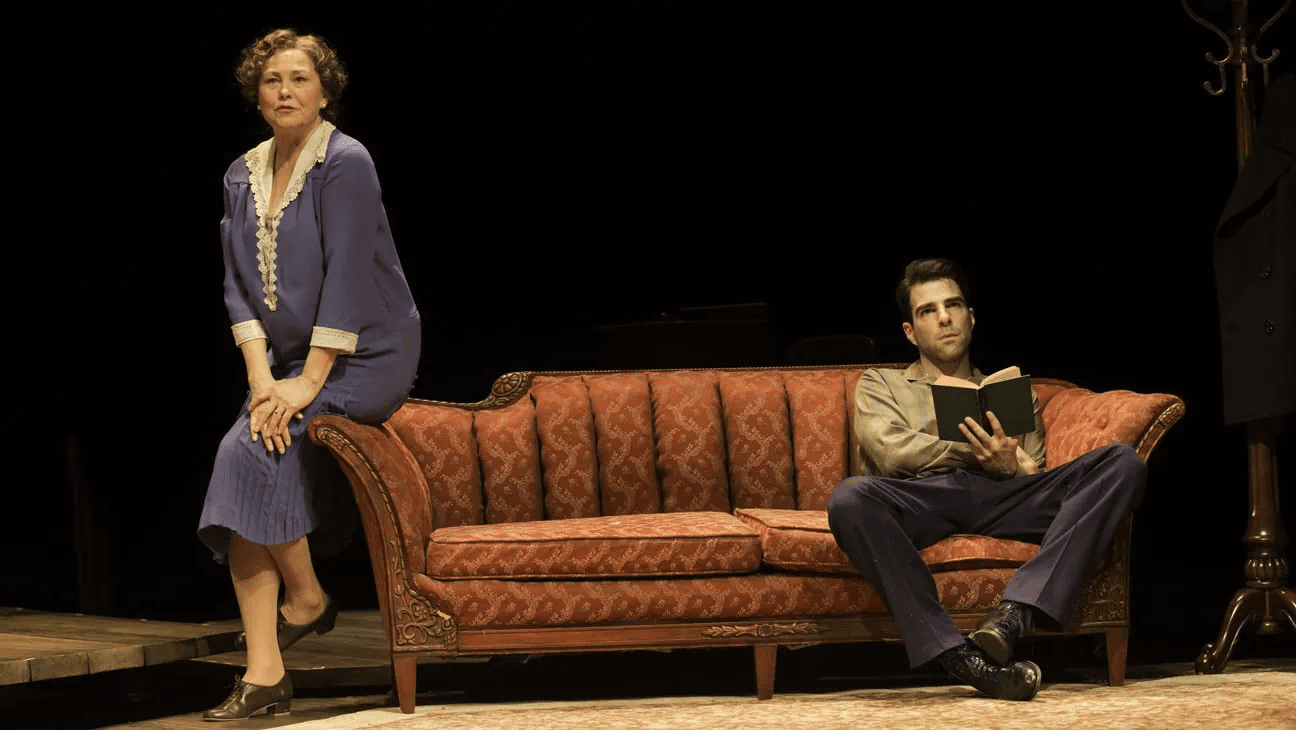
From the 2000s onward, the Booth Theatre showcased acclaimed productions like Thurgood, Our Town, The Pillowman, The Year of Magical Thinking, The Story of My Life, The Glass Menagerie, and Meteor Shower. The theater repeatedly set box office records.
- In 2013, I’ll Eat You Last: A Chat with Sue Mengers grossed $865,144.
- In 2014, The Elephant Man grossed $1,058,547.
- In 2018, The Boys in the Band grossed $1,152,649.
The Booth Theatre remains a celebrated venue, continuing its tradition of hosting critically acclaimed productions that captivate audiences worldwide.