


The August Wilson Theatre stands as one of the most iconic venues in Broadway history. Originally constructed for the Theatre Guild and later named after the renowned playwright August Wilson, this theater has remained a cornerstone of American theatrical culture. Managed today by producer Jordan Roth of Jujamcyn Theaters, the August Wilson Theatre continues to shine. Here is the story of this historic venue, brought to you by Manhattan Trend.
Early History
The August Wilson Theatre, located at 245 West 52nd Street in Manhattan, traces its roots to the early 1900s when Times Square emerged as the epicenter of New York’s theater scene. Between 1901 and 1920, over 43 theaters were constructed around Broadway, creating the iconic Theater District.
During this boom, the Theatre Guild, founded in 1918 by Lawrence Langner, Philip Moeller, Helen Westley, and Theresa Helburn, became a major force in the theatrical world. Initially operating out of the Garrick Theatre on 35th Street, the Guild sought a space of its own. In February 1924, it acquired land for a new theater and began construction, culminating in its grand opening in 1925 with George Bernard Shaw’s Caesar and Cleopatra.
Architectural Design
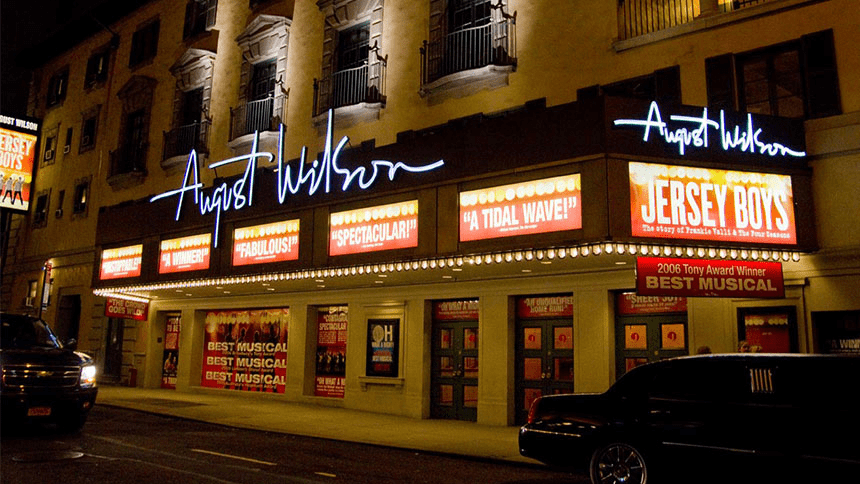
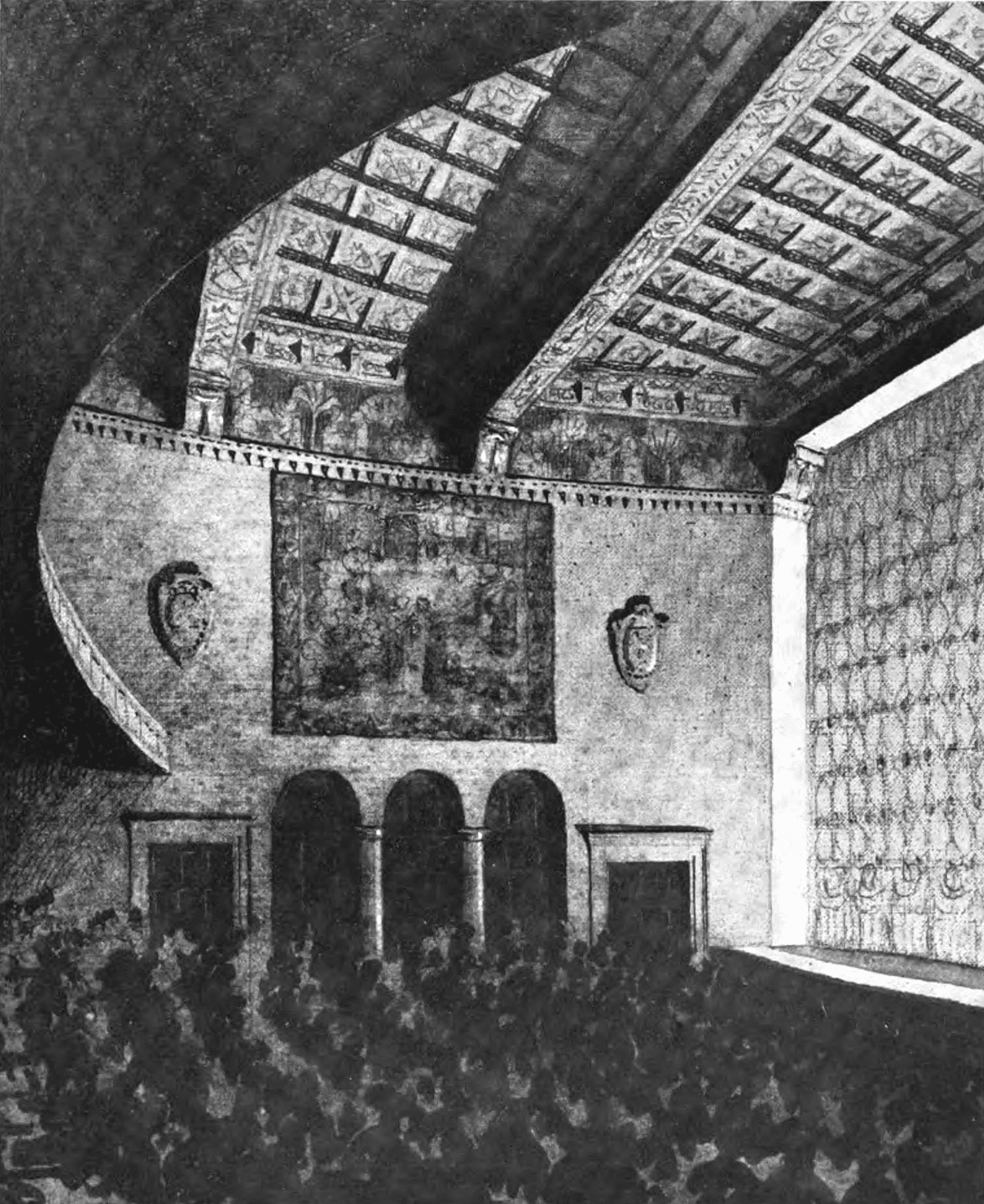
The theater, designed by architects C. Howard Crane and Kenneth Franzheim, draws inspiration from a 15th-century Tuscan villa. Its façade features ornate plasterwork, varied window designs, and elegant door frames. Uniquely low in height, the building’s width surpasses its vertical dimensions.
The interior blends functionality with opulence. The audience chamber seats approximately 1,225 people, featuring a sloped floor, plush carpets, and tapestry-upholstered seating. The stage, wider and deeper than most of its time, measures 38 feet in width, 49 feet in depth, and 77 feet across the proscenium. Its spacious design earned it the distinction of being one of New York’s largest stages upon opening.
The ceiling boasts exposed metal beams adorned with tulip-shaped chandeliers, while the balcony ceiling features gold accents and star-shaped designs. The upper levels house rehearsal spaces, dressing rooms, and facilities for costume creation and storage.
Transformations Over the Decades
Initially, the Theatre Guild presented subscription-based productions, which included classics like Shaw’s Arms and the Man, The Brothers Karamazov, and Pygmalion. During the Great Depression, the Guild reduced its programming, showcasing plays such as Mourning Becomes Electra and The Good Earth. However, financial challenges led the Guild to rent out the venue to external producers by 1938.
In 1943, the building was leased to WOR-Mutual Radio for use as a studio. By 1950, it was purchased by the American National Theater and Academy (ANTA) and renamed ANTA Playhouse. After renovations, it hosted productions like The Tower Beyond Tragedy and Portrait of a Lady.
The theater changed hands again in 1981 when Jujamcyn Theaters, led by James and Virginia Binger, acquired it and renamed it Virginia Theatre in her honor. Productions during this period included Wild Honey and Run for Your Wife.
The August Wilson Era
In 2005, the theater was renamed after Pulitzer Prize-winning playwright August Wilson, becoming the first Broadway theater to honor an African American artist. Under the leadership of Rocco Landesman and later Jordan Roth, Jujamcyn Theaters modernized the venue. Roth, now the sole owner, has overseen acclaimed productions such as Funny Girl and Slave Play.
Today, the August Wilson Theatre continues to uphold its legacy, presenting groundbreaking works while celebrating its rich history.