Can you hear the sounds of Manhattan? The wailing sirens, the relentless hum of the avenues… Yet there are other sounds—tucked away behind the heavy doors of Broadway’s recording studios. Wrapped in thick layers of acoustic baffling that keep the musical alchemy strictly behind closed doors, these rooms give birth to cultural phenomena. How does it all happen? manhattan-trend.com takes a look inside.
For millions of listeners worldwide, getting to know a new musical doesn’t start in the orchestra seats—it starts through a pair of headphones. Making an Original Broadway Cast Recording is a unique, high-stakes craft that bears little resemblance to cutting a standard pop or rock record. It’s an ambitious bid to bottle the raw, electric energy of live theater inside a sterile studio vacuum, without losing an ounce of emotional punch. Can it really be done? Let’s dive in.
8 Hours for a Miracle: Deadlines, Union Caps, and the Studio Reality
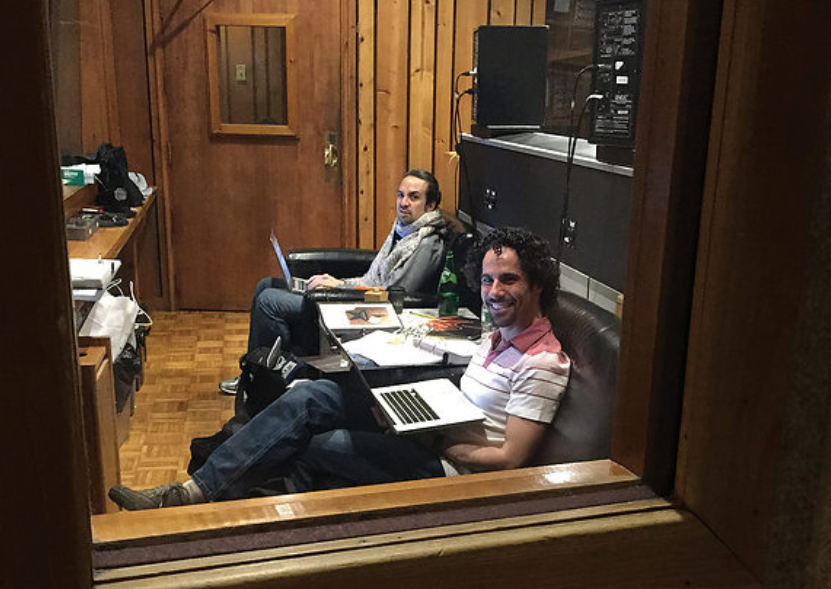
Many fans assume theater cast albums are taped right from the stage, with a line of microphones simply set along the footlights. In reality, an Original Broadway Cast Recording (OBCR) takes place far away from the auditorium. Directors and producers aim for a pristine, definitive document of the score—where no stray cough from the audience or squeaking set piece can mar a vocal performance. Yet that relentless drive for perfection instantly collides with the fierce realities of American show business: union rules.
Under Actors’ Equity regulations, every performer earns a full week’s salary for every eight hours spent tracking in the studio. The American Federation of Musicians (Local 802) enforces similarly rigid scale rates for the orchestra. This unforgiving ledger forces producers to condense months of typical studio work into a single high-wire weekend. Most cast albums are laid down in a frantic one- or two-day sprint, usually right after opening night, when the actors’ voices are still fresh and the material is locked into muscle memory.
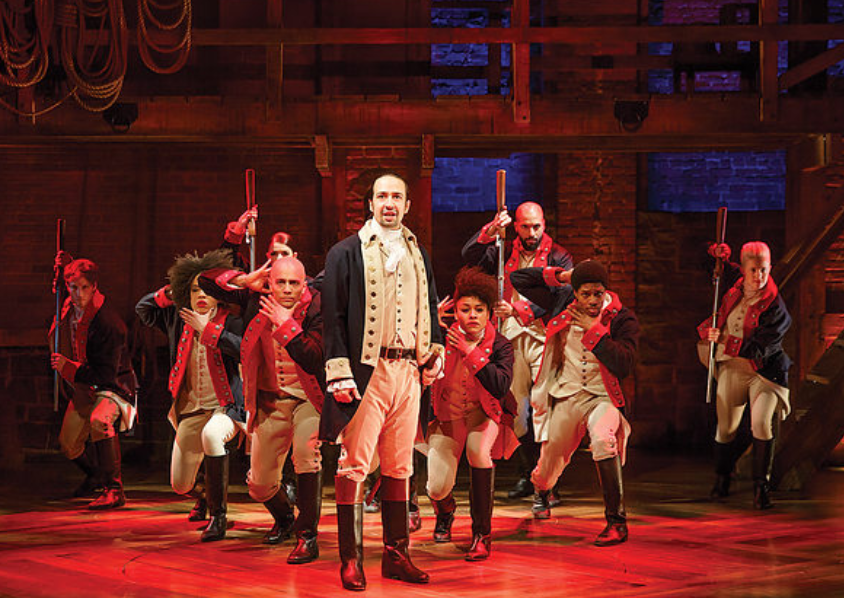
Rushing to meet Grammy submission deadlines or launch marketing campaigns, production teams operate on sheer adrenaline. The marathon creation of the Hamilton cast album illustrates this crunch perfectly:
- Tracking for instruments and vocals kicked off just two days after the show’s official Broadway opening.
- Every session involving dozens of cast members fit squarely into strict union time limits.
- Final mastering of the massive sonic catalog wrapped in just thirty-four days.
How do you pull off so much under such relentless pressure? It’s a genuine studio thriller.
Studio Tetris: Squeezing Cast and Orchestra into Manhattan Booths
The music producer—the ringmaster who orchestrates all this chaos—watches the stage show multiple times to build what’s known as a recording script. Spoken dialogue is ruthlessly trimmed, the richest orchestrations are preserved, and every timing cue is calculated down to the second. The studio schedule turns into an intricate game of Tetris, where a single wasted breath can run up thousands of dollars in union penalties. Leads and ensemble members must step into the booth, nail their takes, and clear out precisely on the clock; otherwise, the budget blows right through the ceiling.
Once everyone is in front of the mics, another challenge begins. Capturing a full orchestra alongside dozens of vocalists at the same time is no small feat. It calls for massive live rooms, which are virtually impossible to come by in cramped Manhattan. Legendary Avatar Studios (formerly Power Station) remains one of the few iconic spaces large enough to house such a crowd comfortably.
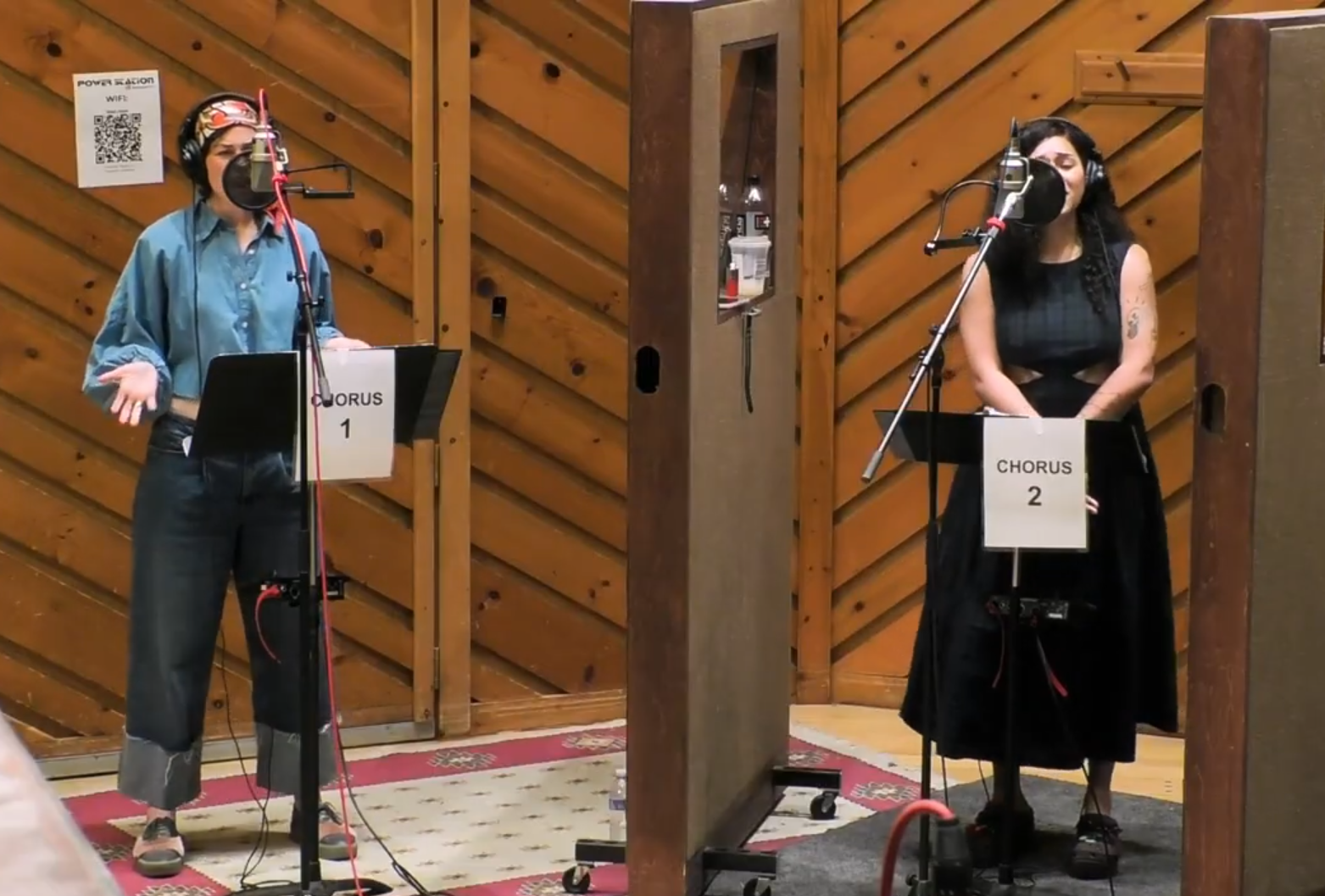
To achieve the punchy, modern sound heard on albums like Hamilton or Moulin Rouge! The Musical, players are often partitioned into acoustic isolation booths. Vocalists work with tight, close-mic setups, while a click track pulses relentlessly in their headphones.
There is zero time for extended character introspection or leisurely takes. Most numbers get one or two passes, plus a safety take just in case. The hardest part for stage actors is adapting to the stillness: they’re used to performing on their feet, locking eyes with castmates, and feeding off the audience’s energy. In the studio, they have to conjure peak Shakespearean drama while staring blankly into a wall of foam acoustic baffles.
Post-Production: Piecing Together the Perfect Sound
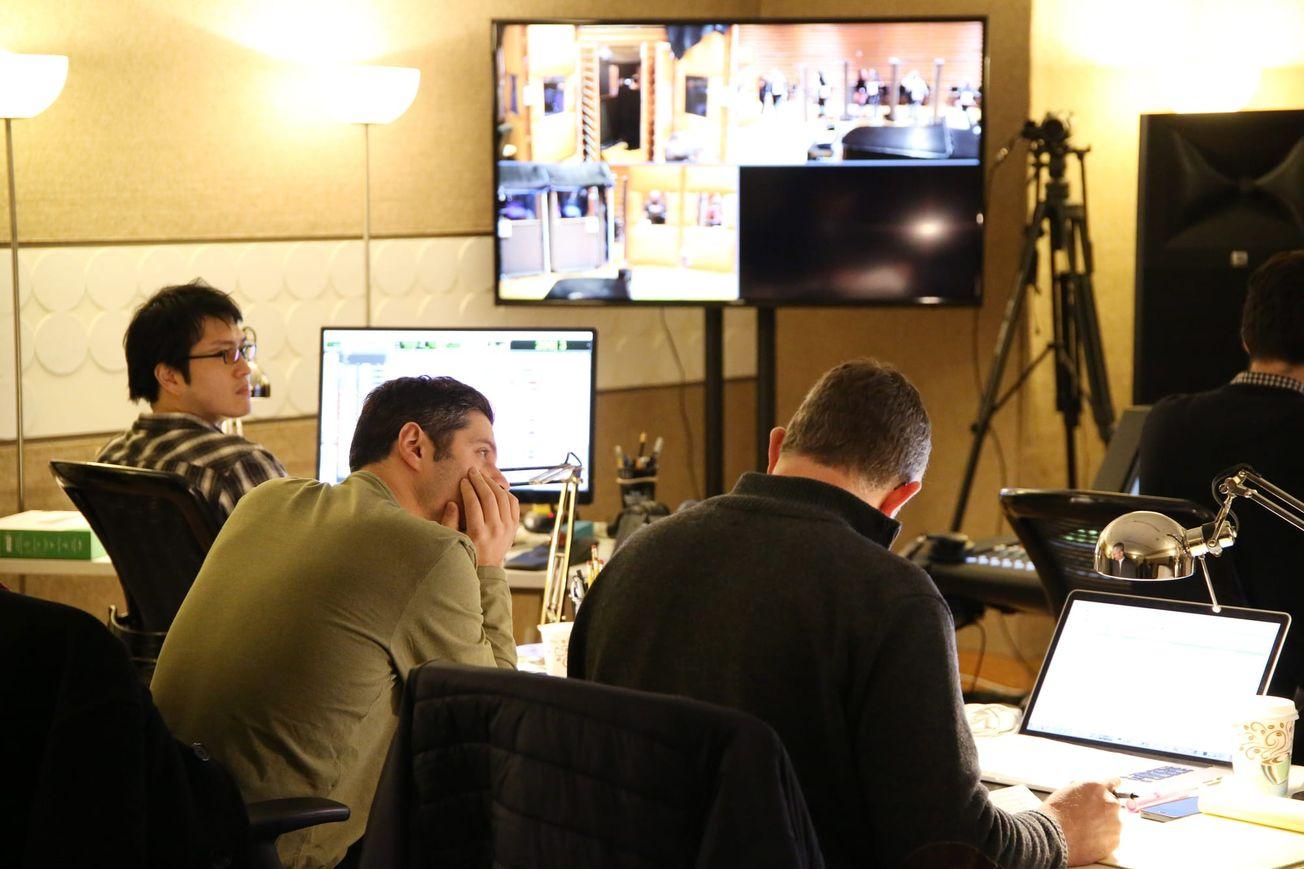
Back in Broadway’s Golden Age from the 1940s through the 1970s, the process looked completely different (for context, check out how Broadway musicals taught the world to sing). Legendary Columbia Records producer Goddard Lieberson recorded landmark cast albums in a former Manhattan church on 30th Street. The soaring sanctuary’s natural reverberation produced the lush, expansive sound preserved on classic vinyl. Today, nobody relies on natural church acoustics; modern production favors surgical digital precision. Once the exhausted performers pack up and head home, the sound engineers and producers buckle down for industry-famous “all-nighters” at the mixing console.
In the dim light of the control room, the comping stage begins: painstakingly stitching together vocal takes. Armed with only a handful of rushed passes, audio engineers micro-edit an immaculate vocal track out of dozens of separate puzzle pieces. A stellar high note is lifted from take one, a dramatic whisper from take two, and a roaring final crescendo from the safety take. Modern productions can layer hundreds of individual tracks for a single song. Engineers apply filters, dial in equalization, and polish every frequency so the record hits hard—even through a commuter’s cheap earbuds on the subway.
The biggest danger in this process is suffocating the live spirit of the show. Mix engineers sometimes turn to tricks: bringing in supplemental session musicians, layering virtual strings, or artificially fattening orchestrations to build a monumental “wall of sound.” But a true pro knows where to draw the line. Push pitch correction or digital tuning too far, and the track turns into sterile plastic pop, stripping away its theatrical soul. The ultimate goal of post-production is an illusion: tricking the listener’s brain into believing they’re sitting front and center in the orchestra stalls, bathed in the glow of the footlights.
Broadway Cast Recording: Why Every Show Needs a Studio Calling Card
Why do producers subject themselves to this studio gauntlet of frantic deadlines and union clocks? The answer is simple: marketing and immortality. A Broadway production, no matter how brilliant, is inherently fleeting and local. On any given night, only about 1,500 ticket holders who made the pilgrimage to Times Square get to experience it live. For the rest of the planet, the cast album serves as the sole ticket into the auditorium.
On top of that, awards season constantly looms overhead. Delay a release by a single week over mastering issues, and your golden ticket blows right past the Grammy eligibility cutoff. Without that coveted statuette—or at least a nomination to flaunt—press attention rapidly cools. The studio machine operates without mercy because it needs a hit that can climb the charts right here and right now.
Look past the bottom line, though, and this whirlwind studio endeavor carries a much grander purpose. It turns an ephemeral stage performance into a permanent cultural artifact. One day the sets will be struck, the props will be packed off to distant warehouses, and the original cast will disperse to Hollywood sets and new gigs. All that remains of a multimillion-dollar stage run is that digital master track.
For generations of fans who wore out cassette tapes of West Side Story, spun CDs of Wicked, or streamed Hamilton on repeat, that recording is the definitive show. Manhattan’s audio engineers pull off a feat that defies the laws of physics: they bottle the lightning of a live stage inside an audio file, preserving it in its finest hour for decades to come.