


Stanley Kubrick was a talented film director who created a host of iconic films throughout his career, establishing himself as one of the most influential filmmakers of the latter half of the 20th century. More on manhattan-trend.com.
Early Years
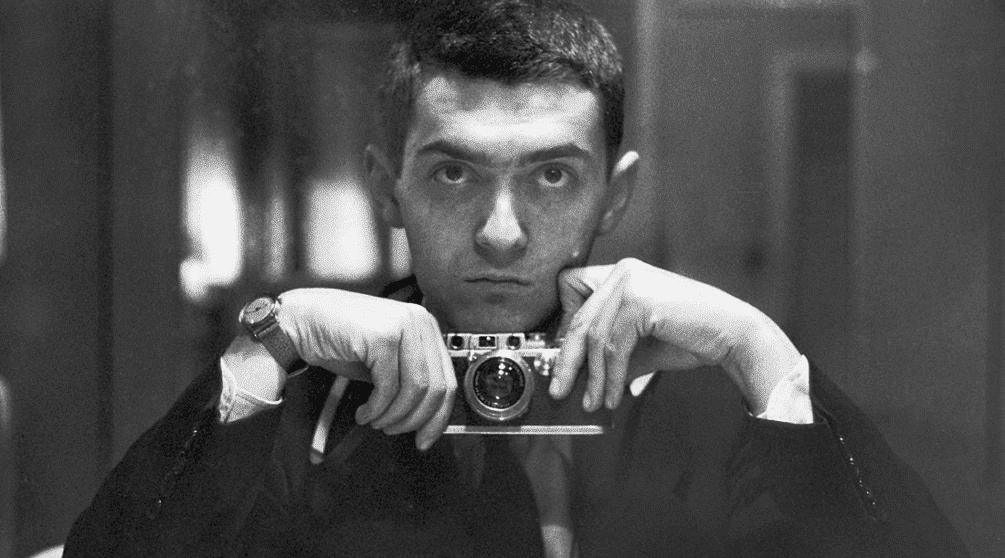
Stanley Kubrick was a renowned American director, born on July 26, 1928, in Manhattan, New York. His father, Jacob Leonard Kubrick, was a surgeon, and his mother, Sadie Gertrude Perveler, was a homemaker. Stanley also had a younger sister, Barbara Mary. He grew up in an atmosphere of love, freedom, and support. Young Stanley was quite an intelligent boy, but he didn’t excel in school, simply due to a lack of interest. Despite this, the young man actively developed his creative talents. He played chess, played the drums, and pursued photography. From 1941 to 1945, the future filmmaker attended William Howard Taft High School. This period of schooling wasn’t particularly successful either, and as a result, he was unable to get into college after graduation.
So, Stanley started earning money playing chess and later by taking photographs for the local magazine Look. The young man showed promising results, and by 1946, he was hired as a staff photographer for the magazine.
Directorial Career
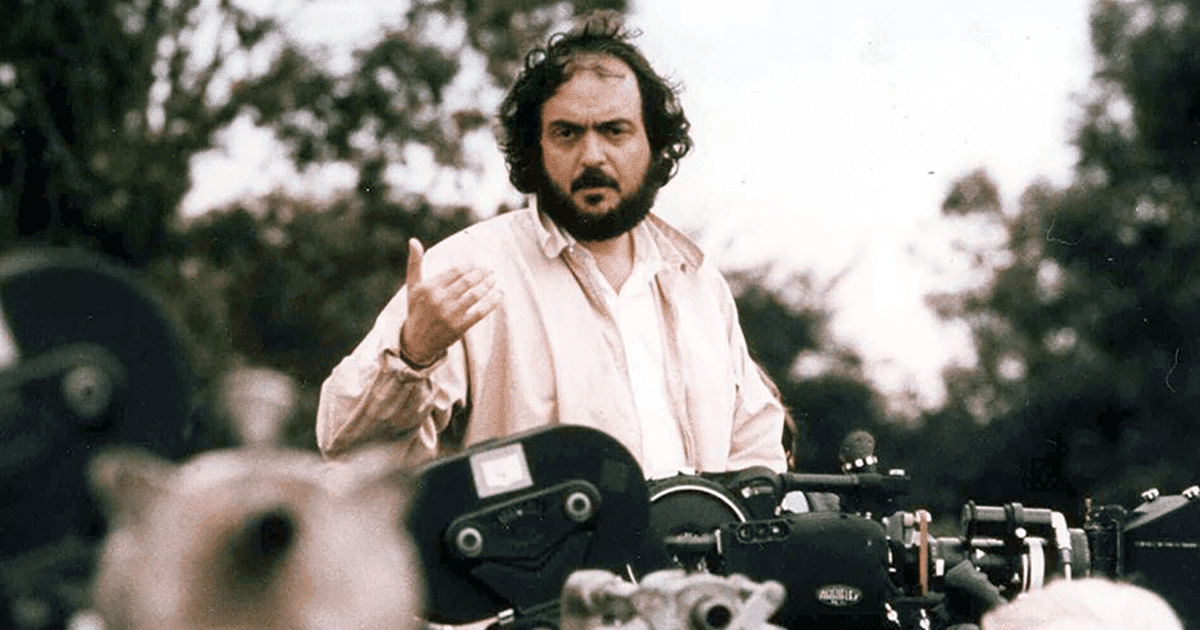
Kubrick began his directorial journey in 1951 after a friend suggested he start earning money by making short documentary films. He took the advice and, that same year, financed his first film, Day of the Fight, himself. In it, he used an unconventional filming style that became one of his signature camera techniques. The work proved successful, and it was later bought by RKO Pictures. Following this success, he resigned from Look magazine and, with funding from the same company, went on to shoot his second film, Flying Padre. His third film was The Seafarers, which was the young director’s first color picture.
Kubrick’s first full-length feature film was Fear and Desire. Although it received positive reviews, it wasn’t a box office hit. The director himself considered this work unsuccessful. His next film, Killer’s Kiss, met with similar results.
His first major success came with the release of Paths of Glory, which depicted the heroic stand of the French army against a German offensive during World War I. After this film’s release, Stanley Kubrick gained recognition as one of the most promising young directors.
His next acclaimed film, Spartacus, won four Academy Awards. Though Stanley Kubrick directed, its star Kirk Douglas also wielded significant creative influence. Constant conflicts during production completely soured their relationship. Despite these challenges, the film was a financial success and made Kubrick a household name.
In 1962, Stanley moved to England to shoot his next film, Lolita, and ended up living there for the rest of his life. The move was prompted by censorship issues. The resulting film later received nominations for an Oscar, a Golden Globe, and a BAFTA Award.
Stanley Kubrick’s most iconic films, which brought him worldwide fame, include: 2001: A Space Odyssey, A Clockwork Orange, The Shining, and Full Metal Jacket.
In 1997, the director began work on his final film, Eyes Wide Shut.
The renowned American director died of a heart attack on March 7, 1999. Stanley Kubrick was buried in Hertfordshire, England.
Personal Life
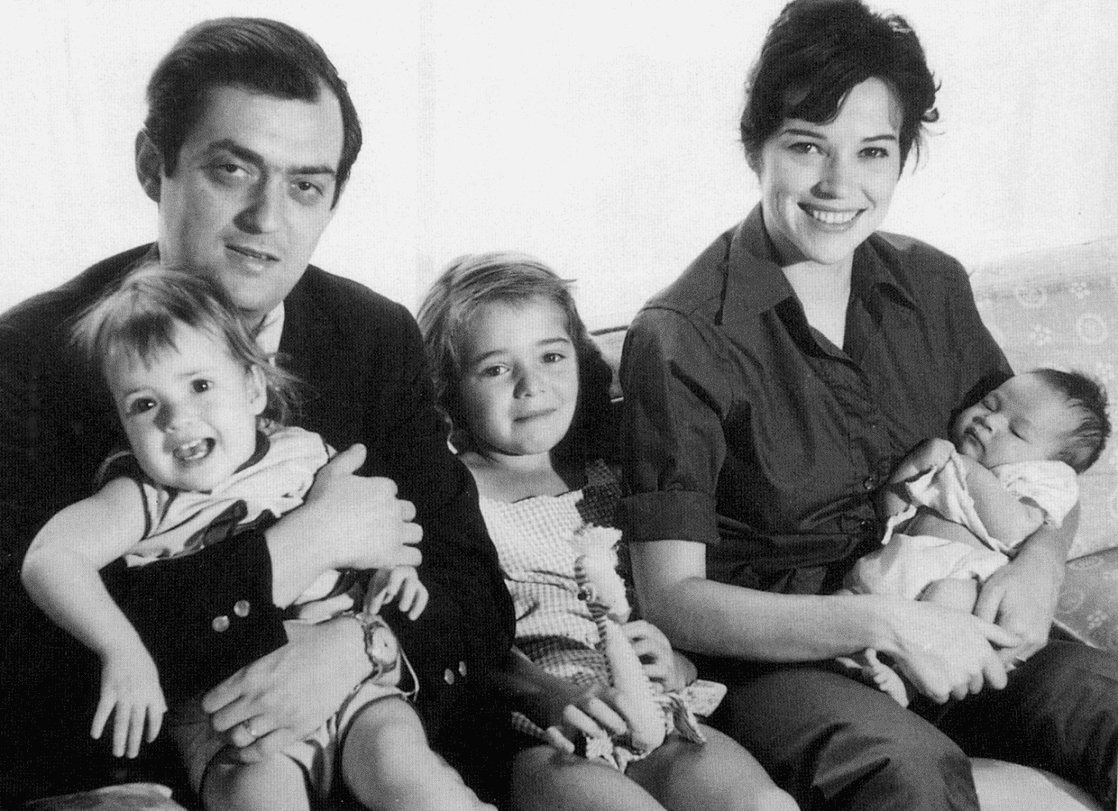
Stanley Kubrick was married three times. He met his first love, Toba Metz, during his time at Look magazine, but this marriage didn’t last long. His second wife was American ballerina and actress Ruth Sobotka, whom he met on the set of Killer’s Kiss. However, this union also ended in divorce. Stanley’s third and final wife was German actress Christiane Susanne Harlan, whom he met during the filming of Paths of Glory. She had a daughter, Katherina, from a previous relationship. Together, Stanley and Christiane had two more daughters: Anya and Vivian.